
Weight & Metabolic Health
GLP-1 Medications and Alcohol: What Ozempic Does to Your Tolerance
7 min read
One of the most common — and least discussed — questions from people starting a GLP-1 medication is deceptively simple: can I still drink? The honest answer is that alcohol and drugs like Ozempic interact in ways that can quietly undermine exactly what you're trying to achieve.
GLP-1 receptor agonists — the class that includes semaglutide (Ozempic, Wegovy) and tirzepatide (Mounjaro, Zepbound) — work by mimicking a natural gut hormone that coordinates hunger, fullness, blood sugar, and even the brain's interest in food. They slow how fast your stomach empties, quiet the reward signals that drive cravings, and help stabilize blood sugar. Alcohol pushes against several of those mechanisms at once.
Why a drink can hit harder
Because GLP-1 medications slow gastric emptying, food — and alcohol — can linger longer in your stomach and be absorbed on an unpredictable timeline. Combined with the smaller meals most people eat on these drugs, that often means alcohol is reaching your bloodstream with less food to buffer it. The practical result many people report: drinks feel stronger, and they feel them faster.
There's also a blood-sugar dimension. Both alcohol and GLP-1 medications influence glucose regulation, and drinking — especially on a near-empty stomach — can contribute to blood-sugar swings. For anyone using these medications alongside other diabetes treatment, that interaction deserves real attention and a conversation with your prescriber.
The quieter problem: it erodes your results
Beyond how a drink feels in the moment, there's a longer game. Alcohol is calorie-dense, nutrient-poor, and famously easy to over-consume — the definition of "drinking your calories." It can also loosen the very restraint the medication is helping you build, making the late-night snack or the second helping more likely.
Alcohol is the wild card. Even moderate use can meaningfully erode the gains these medications work so hard to produce.
That's the pattern I've described in clinical commentary on GLP-1 therapy: alcohol is the variable that most quietly works against otherwise excellent progress. It isn't that a single glass of wine erases months of effort. It's that regular drinking chips away at the calorie deficit, the sleep quality, and the behavioral rewiring that make these medications succeed over the long term.
A reasonable approach
None of this means everyone on a GLP-1 must abstain completely — that's a decision to make with your own physician, based on your health, your goals, and any other medications. But a few principles hold up well:
- Expect alcohol to affect you more than it used to, and plan accordingly — especially early on.
- Never drink on a truly empty stomach while on these medications.
- Count alcohol honestly as part of your intake; it's calories that buy you very little.
- Watch for how drinking affects your cravings and choices the same night and the next day.
- If you take other medications for blood sugar, talk to your prescriber before combining them with alcohol.
GLP-1 medications open a window — a period where hunger quiets and old compulsions loosen their grip. That window is your opportunity to build habits that outlast the prescription. Alcohol, used carelessly, is one of the easiest ways to let it close.
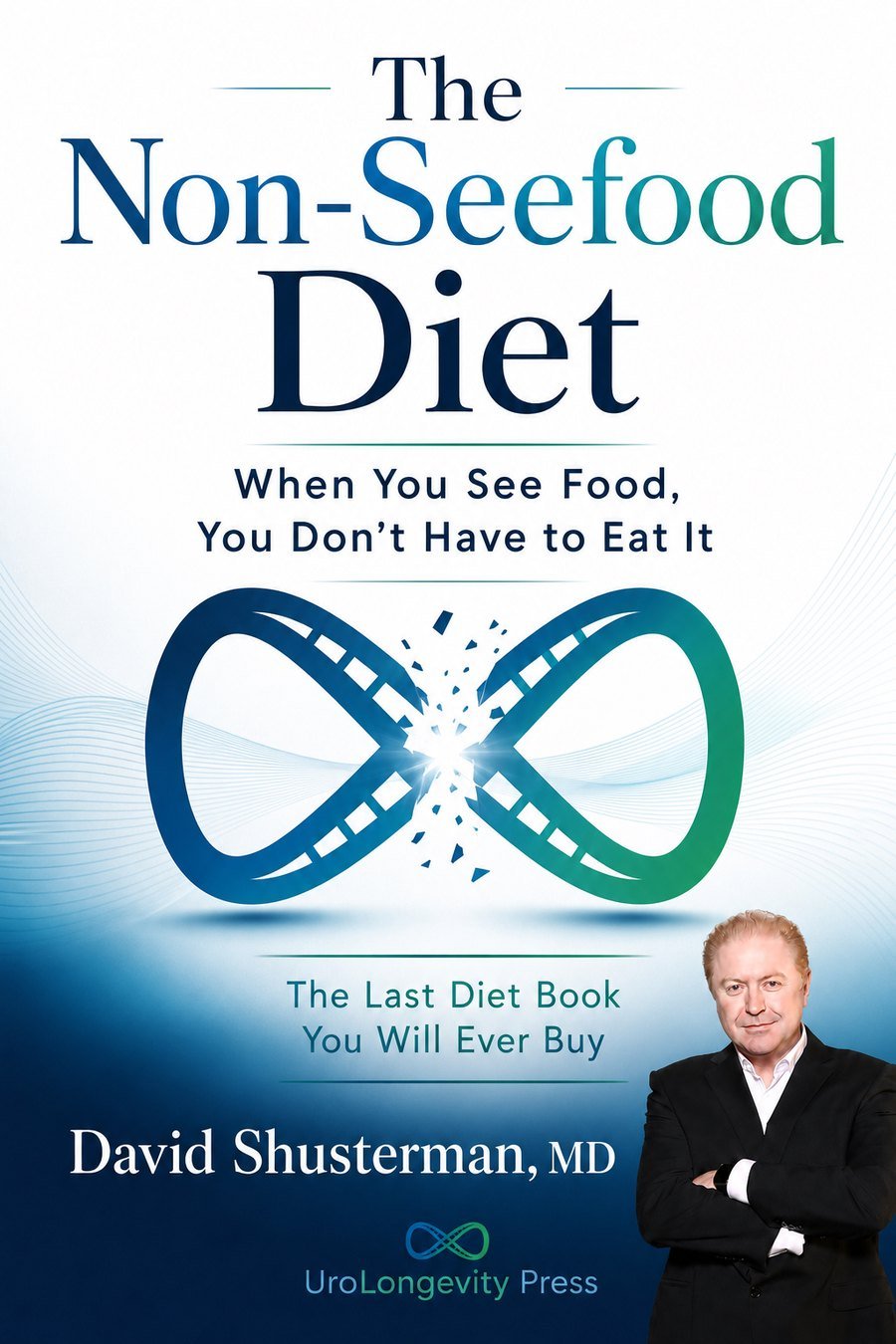
Read more in The Non-Seefood Diet
The complete guide to succeeding on GLP-1 medications by rewiring the see-it-eat-it reflex — so the results last.
See the book →This article is for general education and is not a substitute for personalized medical advice, diagnosis, or treatment. If you have symptoms or concerns, speak with a qualified healthcare provider.